
Vlatko Gilić
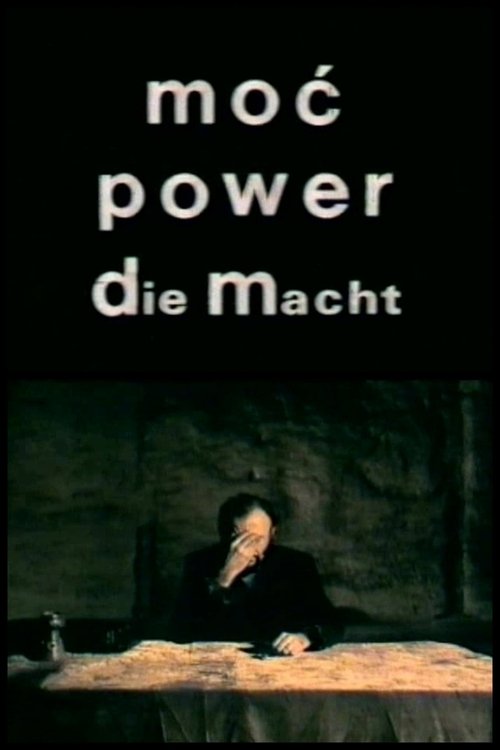
Vlatko Gilić (born 1 January 1935 in Podgorica, Montenegro, then Yugoslavia) is a Yugoslav director and writer whose work spans documentary and fiction and is closely associated with formally rigorous, philosophically inflected cinema of the late 1960s and 1970s. Between 1966 and 1980 he directed thirteen films—eleven shorts and two features—earning international recognition including a Silver Bear at the Berlin International Film Festival and the Grand Prix at Oberhausen.
Gilić’s films are marked by a slow, observational style that blends documentary material with allegory, ritual, and metaphysical inquiry. Often drawing on Christian symbolism and social critique, his work examines power, mortality, labor, and human futility through carefully structured imagery and restrained narration. Key films from this period include In continuo (1971), Backbone (1975), and Days of Dreams (1980), as well as a series of shorts that circulate internationally through archives and cinematheques.
After 1980, Gilić largely withdrew from filmmaking and transitioned into academia, teaching and continuing to write screenplays. Though interviews and public appearances have been rare, his films have remained in circulation and critical discussion, preserved in major archives such as the Harvard Film Archive, and are regarded as a distinctive body of work within Yugoslav and European art cinema.