The Torment Zone
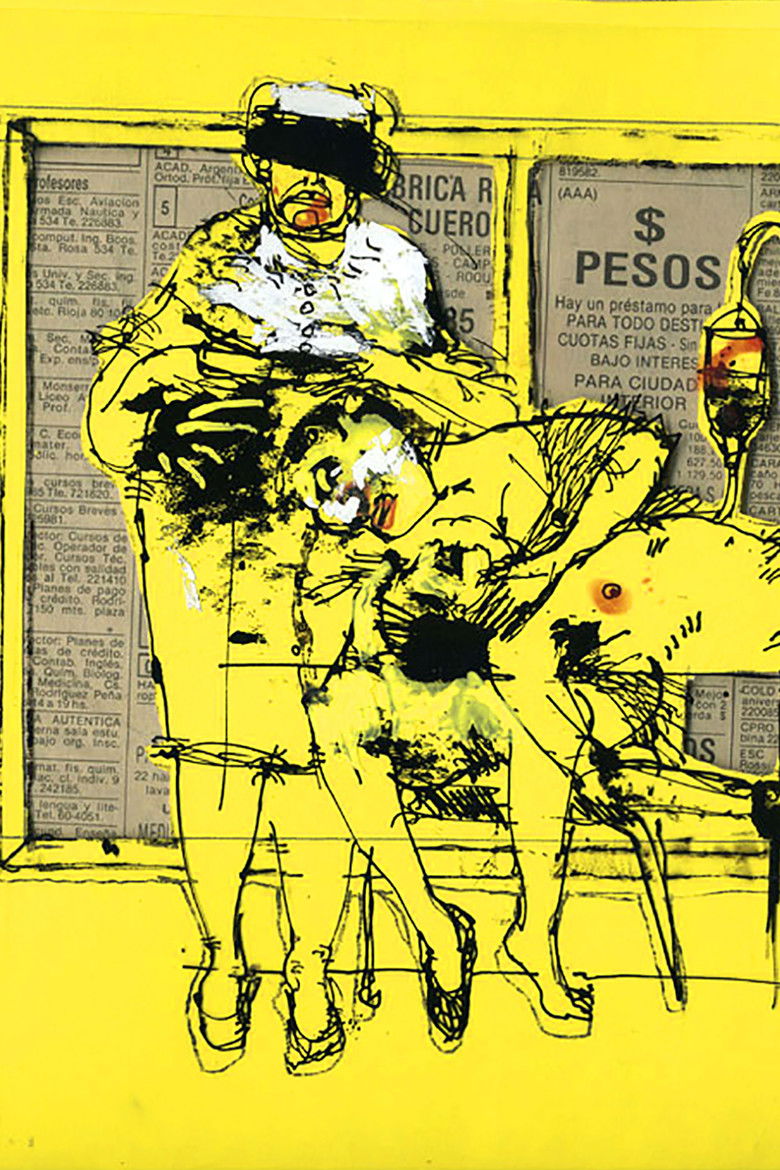
An unsettling experimental documentary that imagines a guided visit through a national mental hospital, The Torment Zone (La Región del Tormento) delves into the mechanisms of psychiatric and legal control that define the treatment of madness. Blending archival textures, hand-drawn animation, and documentary fragments, Marcello Mercado constructs a surreal and claustrophobic environment where medical and judicial discourses intertwine. The result is both a political and psychological reflection on the boundaries of reason and confinement—an early work that anticipates Mercado’s later investigations into biopower, institutional violence, and the anatomy of control.



scrk97@scrk97
Marcello Mercado’s The Torment Zone stands as a pioneering example of Latin American experimental cinema in the early 1990s—a raw, incisive work that transforms the psychiatric institution into a symbolic theatre of power. The film’s hybrid structure, oscillating between documentary observation and animated delirium, reveals the mechanisms through which madness is constructed, diagnosed, and punished.
Visually, the film juxtaposes clinical imagery with absurd and grotesque cartoons that serve as both commentary and rupture, evoking the fractured consciousness of those institutionalized. Mercado’s approach is neither anthropological nor sensationalist: it is analytical, disquieting, and profoundly ethical. The voice of authority—medical, legal, or bureaucratic—is constantly undermined by the very images it produces.
More than three decades later, The Torment Zone retains its urgency. It prefigures contemporary debates about mental health, autonomy, and surveillance, positioning Mercado among the few artists who dared to expose, with poetic precision, the violence hidden behind the walls of care.