
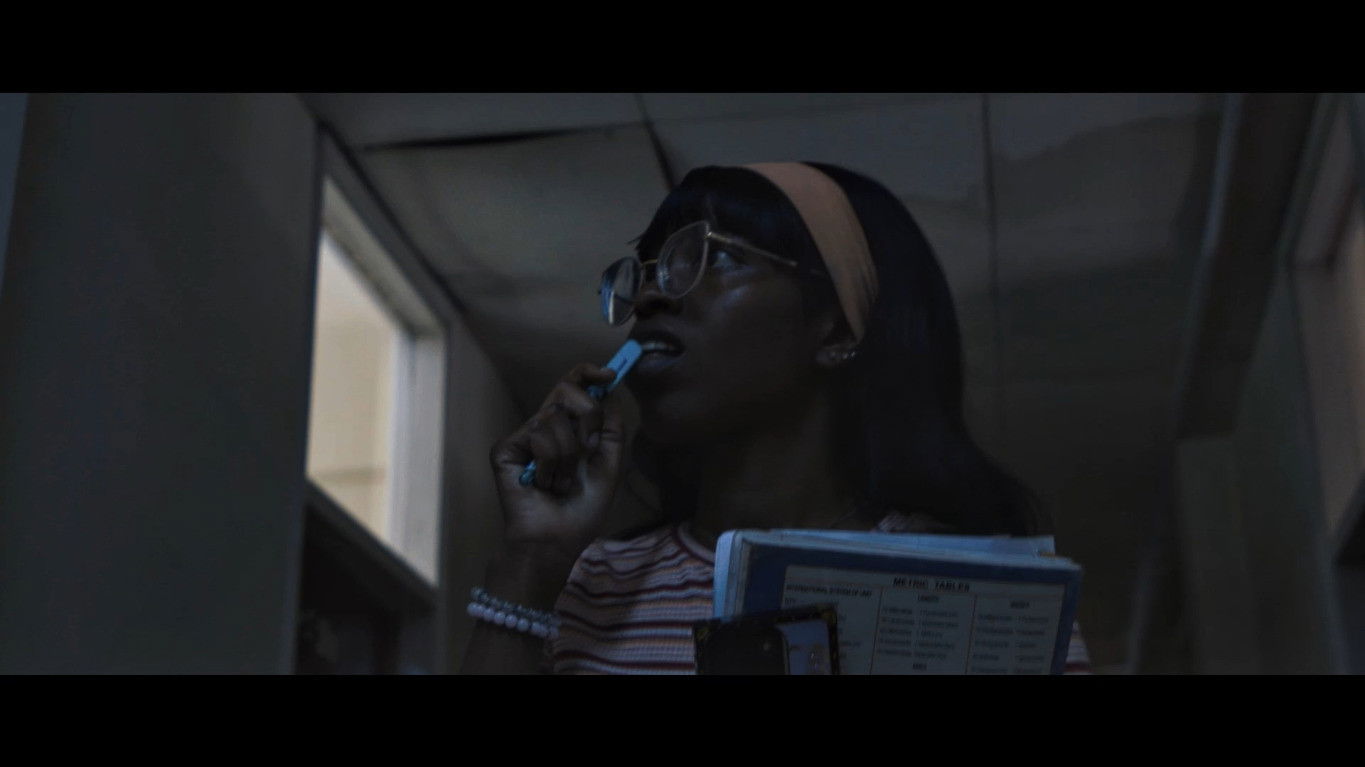
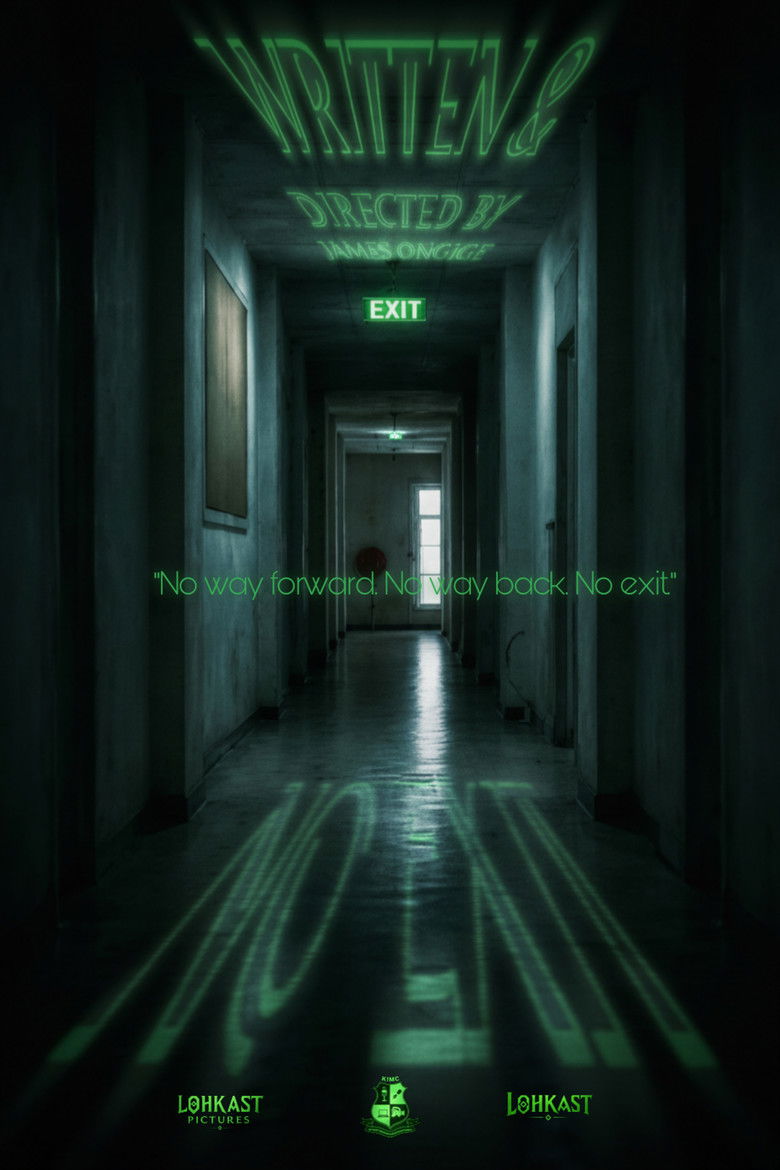
No Exit follows a young woman trapped in a seemingly ordinary corridor, only to repeatedly return to the same starting point. At first, she searches for a way out with logic and patience, testing doors and marking walls, but nothing leads forward. As time begins to loop and reality subtly shifts - objects move, sounds stretch, and familiar patterns distort - her attempts to escape become increasingly frantic. The corridor feels smaller, the air heavier, and silence grows suffocating. Without dialogue, the film relies on sound, atmosphere, and visual repetition to chart her unraveling. By the end, it's unclear whether the prison is physical, psychological, or both, leaving the audience to imagine the boundaries of her reality - and question if there was ever an exit at all.


No Exit is a masterclass in minimalist psychological storytelling. Set entirely within a single corridor, the film transforms an ordinary space into something deeply unsettling. What begins as a simple scenario of a young woman trying to find her way out, slowly mutates into a chilling exploration of repetition, perception, and mental endurance.
Without dialogue, the film leans heavily on sound design and visual shifts. Footsteps echo a little too long. Lighting flickers at just the wrong moment. Objects subtly change positions. These small distortions accumulate, creating an atmosphere that feels both controlled and increasingly unstable. The absence of explanation is deliberate as the audience is left to interpret whether the trap is architectural, supernatural, or psychological.
What makes No Exit so effective is its restraint. There are no dramatic jump scares or forced twists. Instead, tension builds through repetition and patience. The more the protagonist tries to impose logic on her situation, the more reality resists her. By the end, the film leaves you with a lingering discomfort — not because it shocks, but because it refuses to answer the most important question: was there ever a way out?