
Little Amélie or the Character of Rain
The world is a perplexing, peaceful mystery to Amélie until a miraculous encounter with chocolate ignites her wild sense of curiosity. As she develops a deep attachment to her family's housekeeper, Nishio-san, Amélie discovers the wonders of nature as well as the emotional truths hidden beneath the surface of her family's idyllic life as foreigners in post-war Japan.


CinemaSerf@Geronimo1967
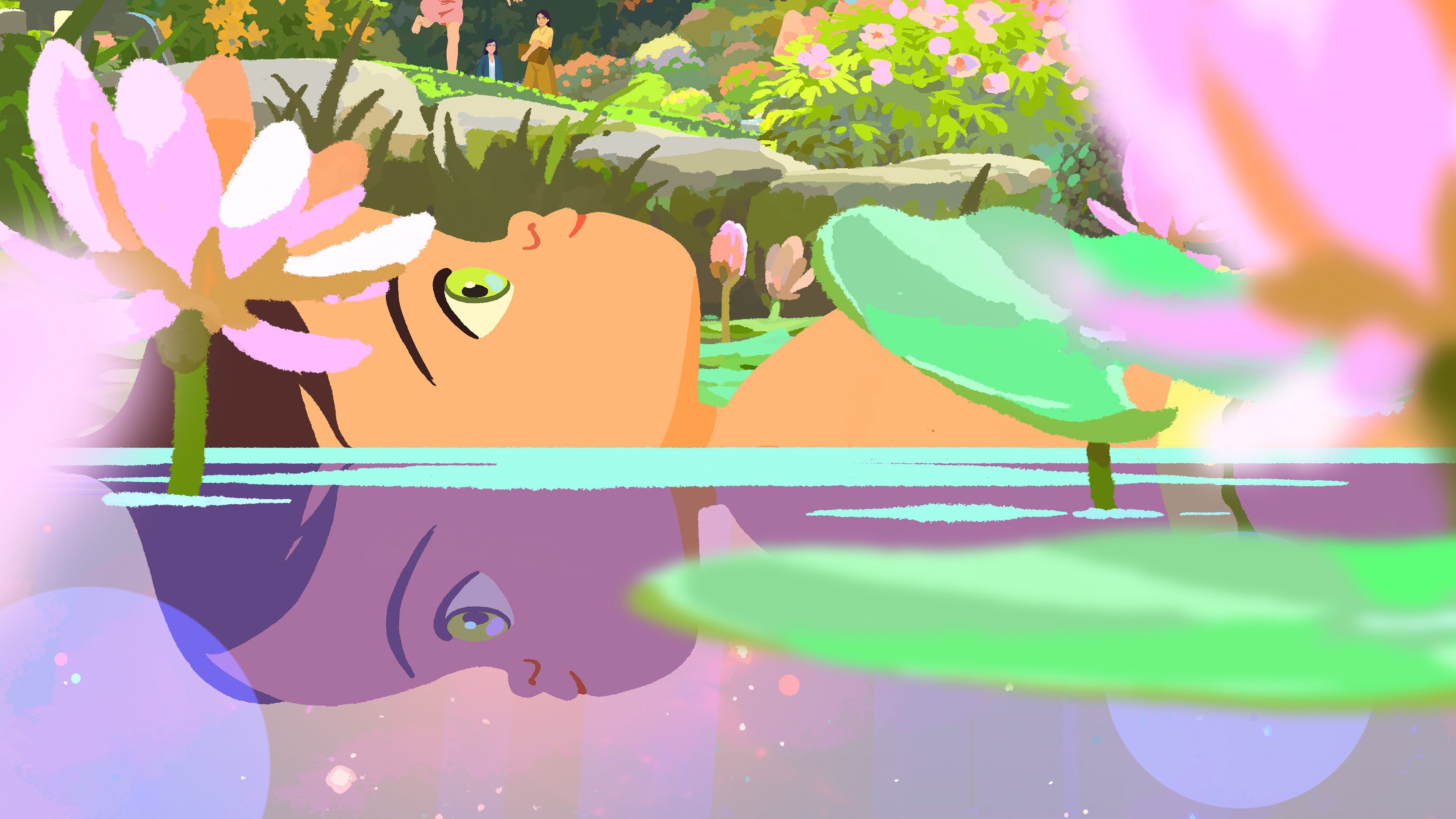
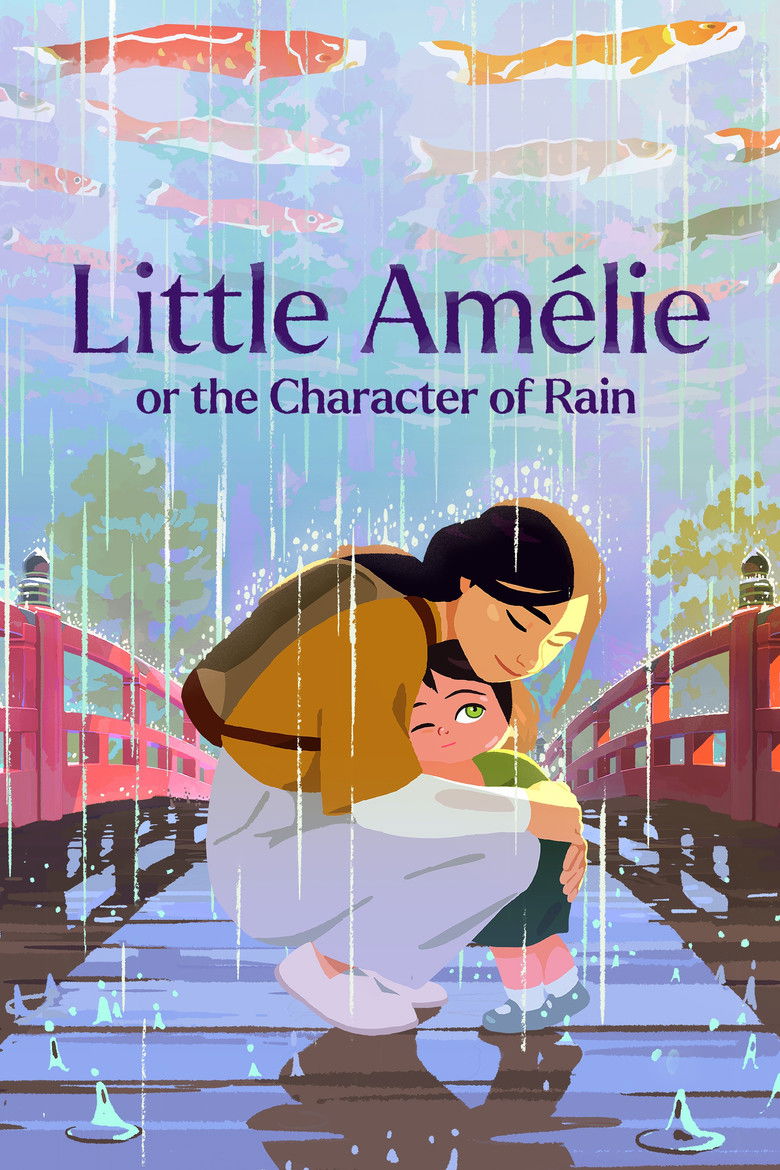
“Amélie” is a young girl living with her Belgian diplomat father, her mother and her two siblings on post in Tokyo. From birth, she has been a little bit different, and so her parents have recruited the kindly “Nishio-san” to come and take care of her. Her almost instant affect on the child is mesmerising and soon the two are bonding and “Amélie” is speaking - though not immediately to her pesky elder brother “André”, and making up for some of her lost time. As she hits her third birthday, she receives some news that is going to change her life and upset her equilibrium. Even at her tender age, she knows this is a profound moment in her life. The symbolism here is boldly yet subtly presented through the eyes of a child who might really consider she is a manifestation of God. That’s not so much a heavenly or divine being, more an undefinable concept that fuels her imagination, drives her curiosity and with a degree of mysticism emerging from her rapport with “Nishio-san” this exudes a sense of warmth and humanity that is touching, mischievous and innocent, too. That said, this simply drawn and colourful animation also tangentially exposes us to some of the rigidity of organised faith as a tool to exercise authority - physical and moral, and the ever gobbling carp have quite an emotionally powerful role to play, too. These messages are not all that this drama represents as “Amélie” isn’t averse to some giggling, joy and the odd strop to remind us that even though the story wants to touch on issues of faith, and even the troubled recent history of Japan, this is still a film about the elementary evolution of a charming young girl and of her friendships.