


01. Citizen
After escaping slavery, Frederick Douglass becomes a pivotal voice calling for citizenship for Black Americans, a dream realized in the 14th Amendment.
02. Resistance
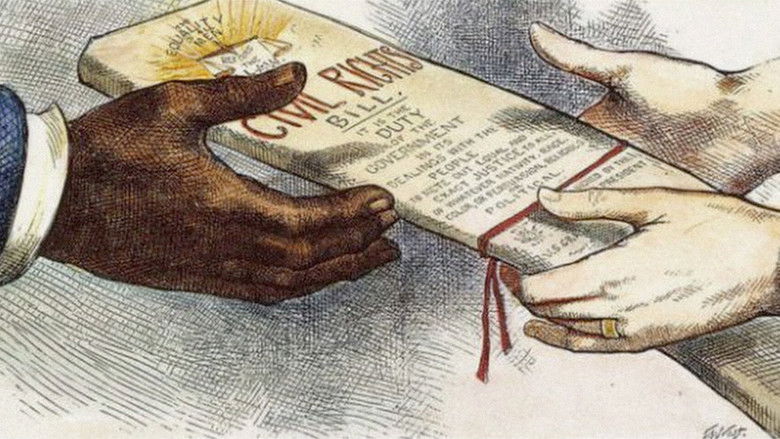
After ratification, violent atrocities, court rulings and the Lost Cause ideology systematically subvert the 14th Amendment's promises of equality.

03. Wait
As the civil rights movement gains momentum in the 1960s, Martin Luther King Jr. orchestrates protests that goad President John F. Kennedy into action.

04. Control
In the 1970s, women appeal to evolving interpretations of the 14th Amendment in their fight to achieve equality and control their own destinies.

05. Love
After decades of setbacks, the struggle for same-sex marriage equality culminates in an Ohio couple's case taken up by the Supreme Court in 2015.

06. Promise
Immigrants have long put their hope in America, but intolerant policies, racism and shocking violence have frequently trampled their dreams.