

01. Ueno
Ueno is home to world-class cultural facilities, a bustling street market, a historic shrine, and much more. We look at some of the many features that make this diverse urban environment so popular.
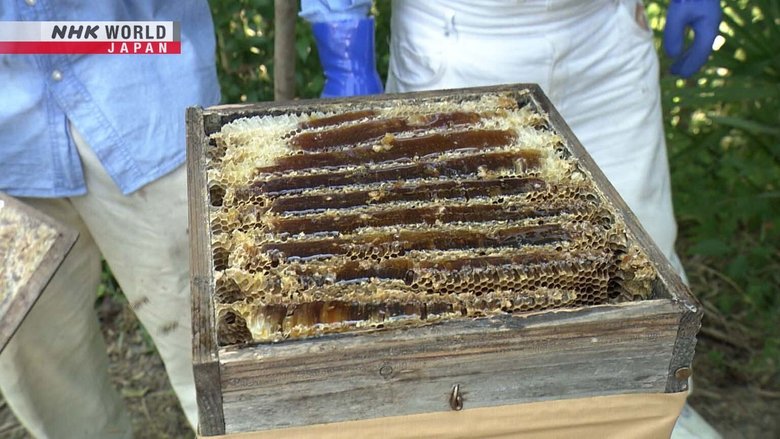
02. Japanese Honeybees
Most commercial honey in Japan comes from Western honeybees, whose honey can be harvested several times a year. Japanese honeybees are much less productive but keeping them can be a real education.

03. Unused Fish
Due to their small size or unusual shape, many types of fish are discarded. But as the global catch of fish dwindles, these "unused fish" offer immense potential and a path to fishing sustainability.

04. Garbage
In Japan, garbage is incinerated before being used for land reclamation, but space is running out. We explore new approaches to waste, such as biogas power generation and a litter-picking app.
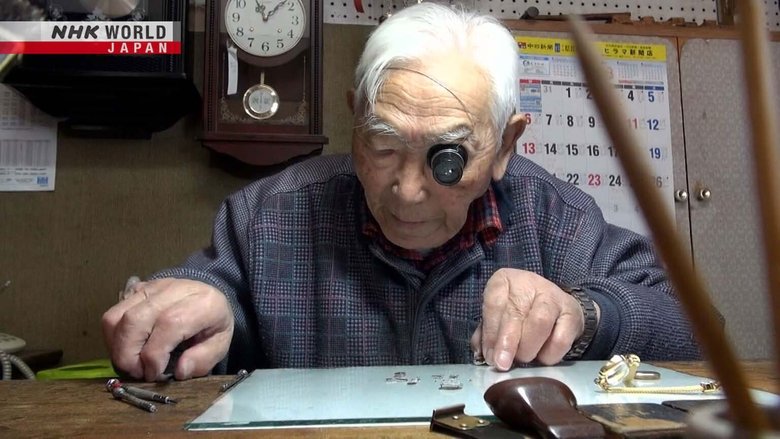
05. Active Seniors
Japan's population is aging, but "active seniors" energetically participate in work and hobbies. We meet a salesperson and a clockmaker who are both centenarians and learn the secrets to good health.
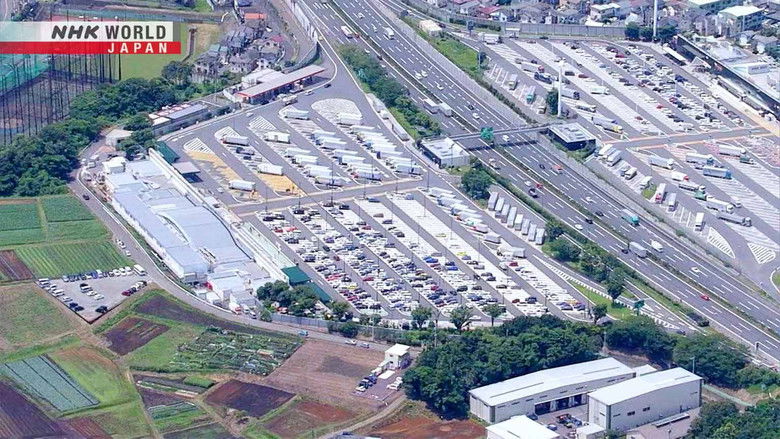
06. Service Areas
There are about 900 service areas along Japan's expressways. Some feature aquariums, amusement parks, or hot spring baths. They continue to evolve, fulfilling a growing variety of functions.

07. Plastic Models
Japan's plastic models are popular worldwide. Shizuoka City leads the nation in plastic model shipments. We look at the city's plastic model industry, from its history to the latest developments.
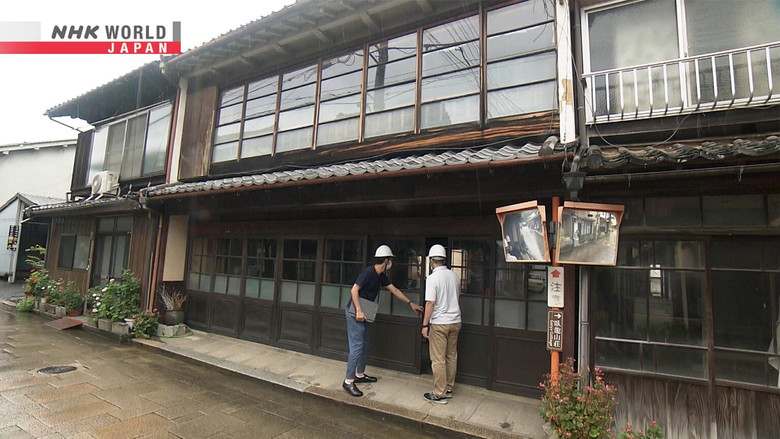
08. New Roles for Vacant Homes
Japan now has roughly 8.5 million vacant homes. We look at various initiatives that aim to address this issue, including renovating homes as investments or using them to revitalize local communities.
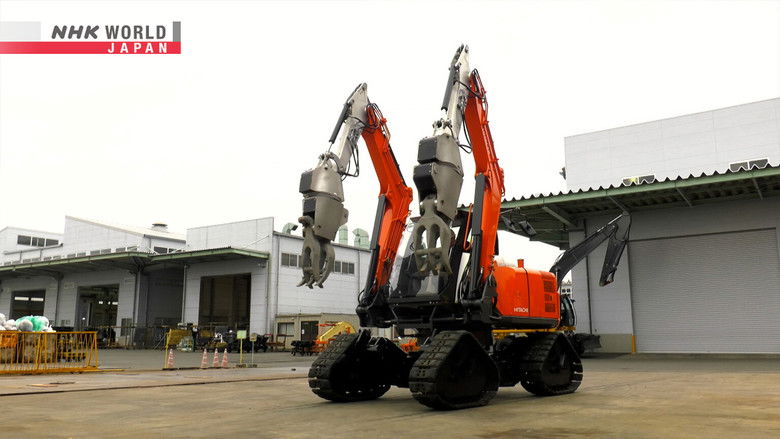
09. Heavy Machinery
In construction, heavy machinery is indispensable. We look at all kinds of machines, from small excavators to tower cranes for high-rise buildings, and even cutting-edge remote operation systems.
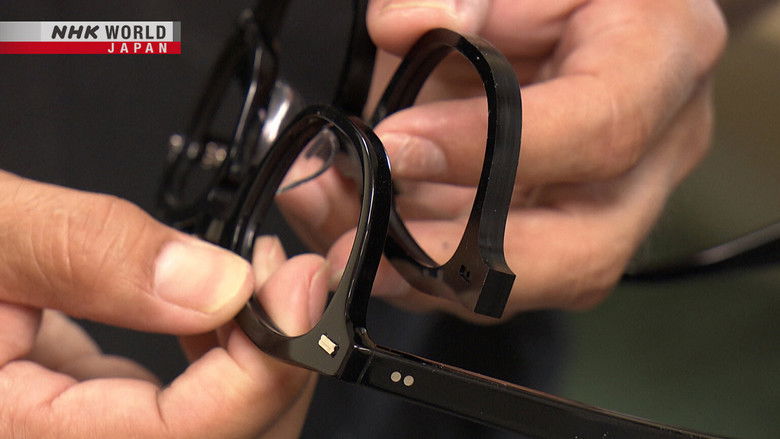
10. Eyeglasses
Over 70% of Japanese people are said to use eyeglasses. We visit Sabae, in Fukui, where over 90% of Japan's glasses are made, and explore the history of Japanese eyewear and the latest technology.