
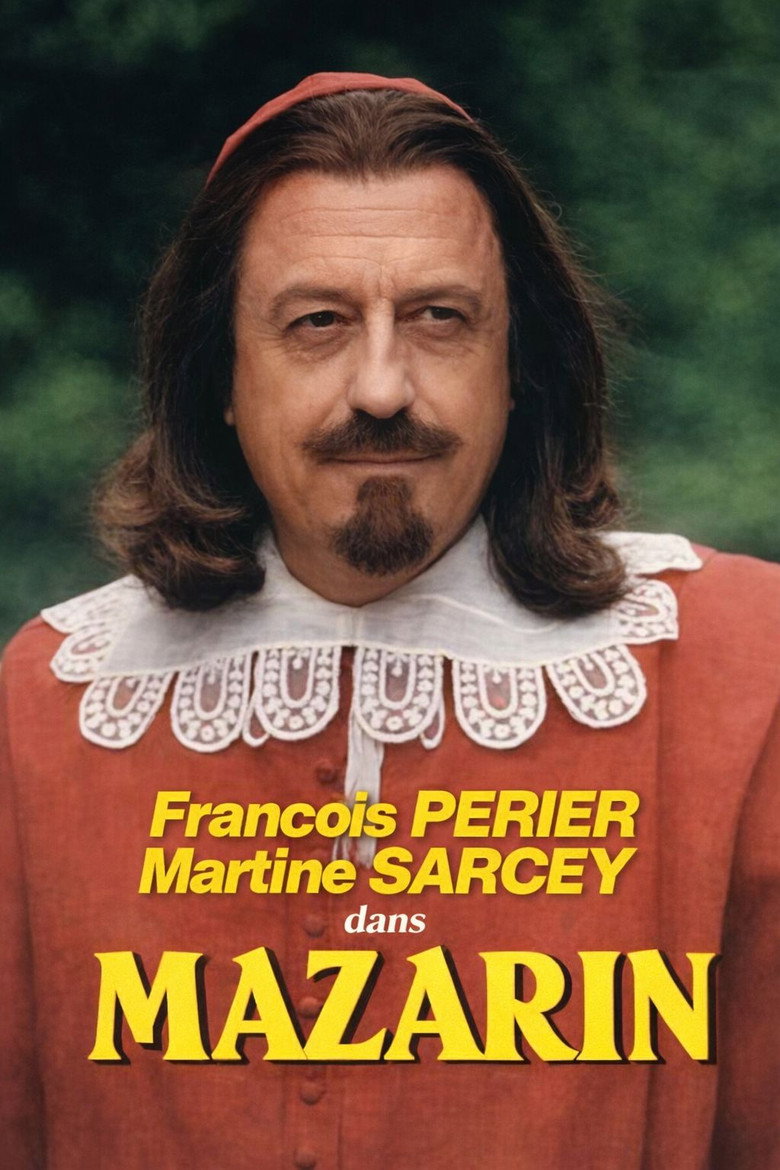
Season 1
The series Mazarin (1978) recounts the rise of Jules Mazarin in a France weakened by the end of Louis XIII’s reign. First a papal diplomat, he becomes Richelieu’s political heir and gradually wins the trust of Anne of Austria, acting as the guiding force behind the young Louis XIV. The narrative follows the major crises of the mid‑seventeenth century: the hostility of the great nobles, the rivalries within the court, and above all the Fronde, a vast rebellion that challenges royal authority and forces Mazarin into exile. Despite pamphlets, conspiracies, and public hatred, he manages to restore stability and reassert the monarchy’s power. By steering Louis XIV toward adulthood and political mastery, Mazarin lays the foundations of a centralized royal authority, paving the way for the future Sun King’s personal rule.
01. Episode 1
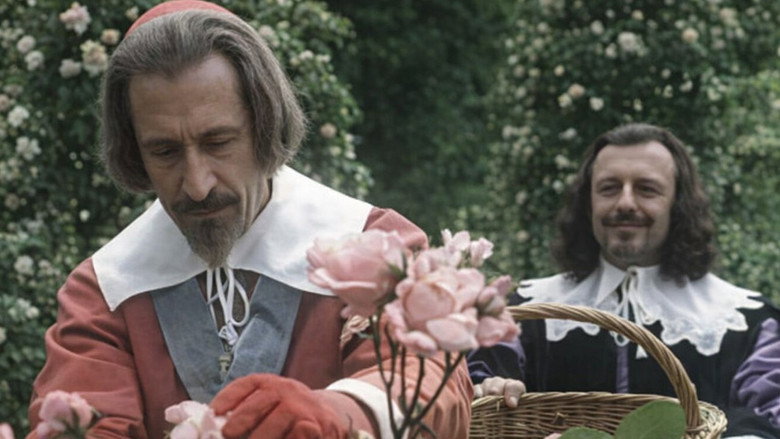
Richelieu, dying, entrusts Mazarin with the mission of continuing his political work. After the cardinal’s death, followed by that of Louis XIII, Mazarin helps Anne of Austria have the king’s will annulled, allowing her to become full regent. Mazarin then establishes himself as the true head of government and protector of the young Louis XIV. But from his very first days in power, he faces the hostility of the great nobles and the first mazarinades, foreshadowing the troubles to come.
02. Episode 2
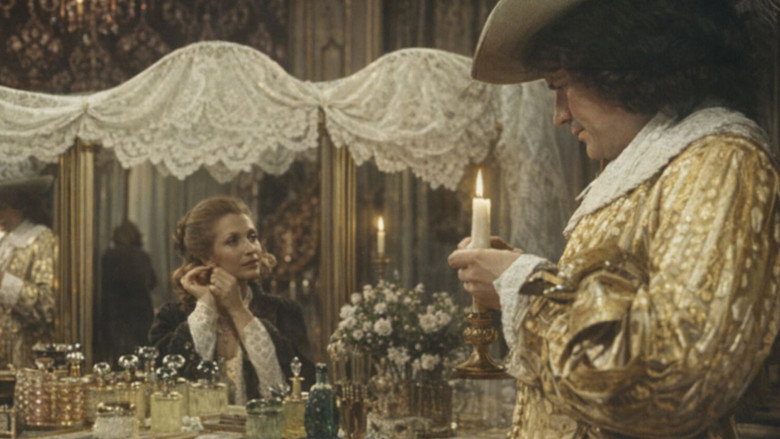
Mazarin governs alongside Anne of Austria, continuing the authoritarian policies inherited from Richelieu. The great nobles, frustrated at being pushed aside, gather in secret and fuel popular discontent. The Parlement, already hostile, joins the critics and strengthens the opposition. Aristocratic salons become centers of intrigue against the cardinal. This part establishes a climate of political suffocation in which the “princes in a cage” search for a way out.
03. Episode 3
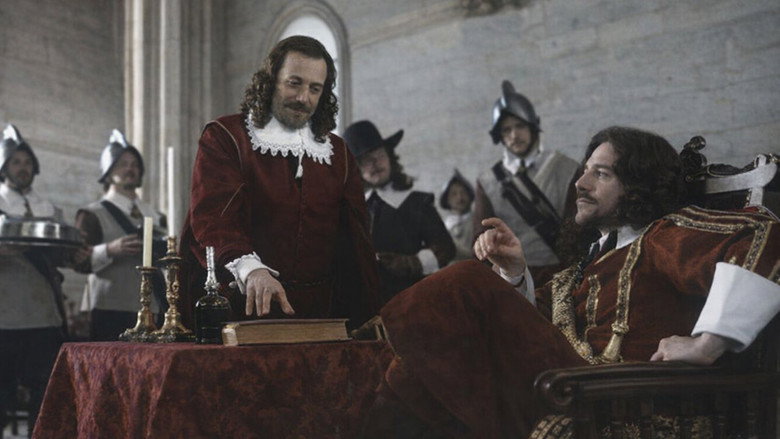
Mazarin decides to strike hard by arresting Condé, Conti, and Longueville, a dramatic move meant to crush the emerging rebellion. The decision shocks the entire kingdom and reignites the ambitions of the princely families. Parlement and the nobles unite against the cardinal, while Paris grows restless and begins to rise up. Mazarin finds himself isolated, besieged by pamphlets and public anger. The situation escalates until the Fronde breaks out, plunging France into crisis.
04. Episode 4
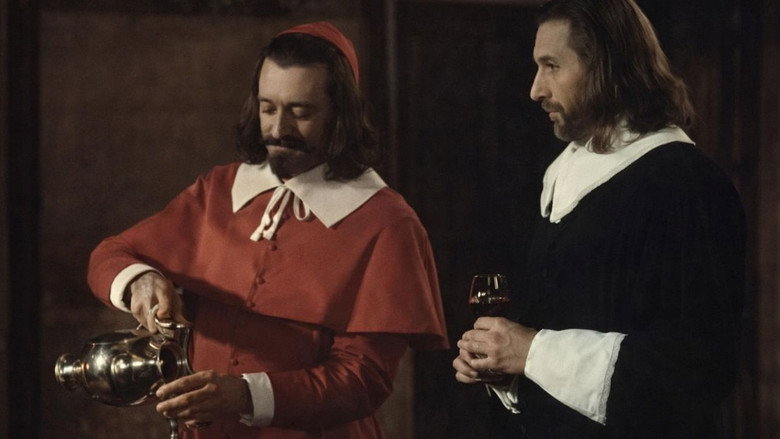
Mazarin, now the main target of the Fronde, watches the political situation turn sharply against him. The princes, the Parlement and several great nobles fuel public hatred, making his presence in Paris impossible. Threatened with arrest and abandoned by part of the court, he realizes that staying would spark civil war. Anne of Austria tries to support him, but her authority is weakening. Forced to act, Mazarin arranges a secret nighttime escape with a handful of loyal followers. His departure throws the regency into uncertainty: the Frondeurs celebrate, the capital grows restless, and the queen finds herself increasingly isolated.
05. Episode 5
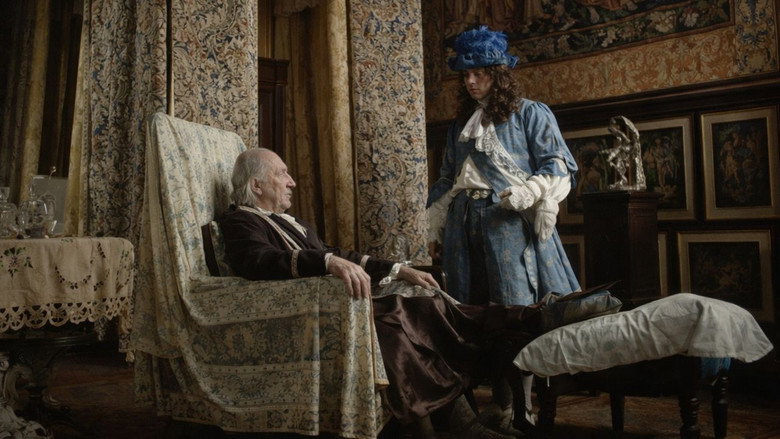
As France slowly recovers from the turmoil of the Fronde, the young Louis XIV—still politically guided by Mazarin—grows close to Marie Mancini, one of the cardinal’s Italian nieces. Their bond forms at a moment when the kingdom desperately needs stability and strong diplomatic alliances. Marie’s intellect and candor influence the king more than the court finds acceptable. Meanwhile, Mazarin, deeply engaged in negotiations leading to the Treaty of the Pyrenees, sees this attachment as a direct threat: a marriage of love would jeopardize the crucial Spanish alliance. This episode portrays a hesitant Louis, torn between dynastic duty and emerging personal feelings.
06. Episode 6
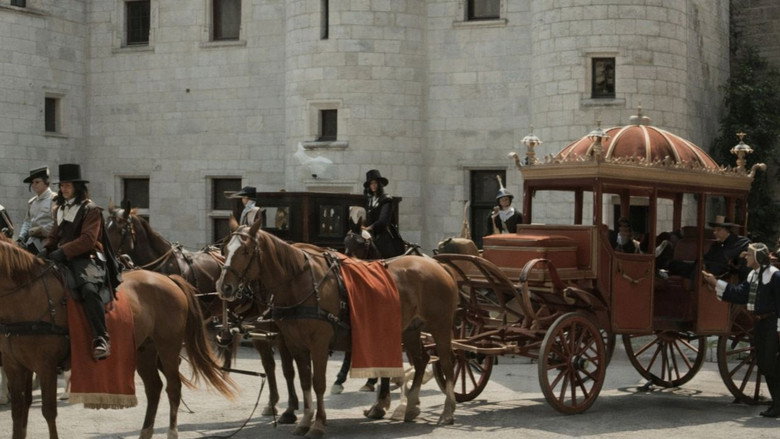
As talks with Spain intensify, the path to peace becomes clear: Louis XIV must marry the Infanta Maria Theresa. Mazarin, fully aware of the diplomatic stakes, ends the royal romance. Despite the young king’s determination, state interests prevail. Marie Mancini is removed from court, in keeping with 17th‑century political practice where marriages sealed treaties. Their final meeting, restrained yet painful, marks the end of Louis’s youth. He accepts the weight of European monarchy, while Mazarin—ill but lucid—secures peace at the cost of the king’s personal happiness.