

01. The Prigozhin Papers
An exclusive investigation into the Russian paramilitary organisation Wagner, headed by oligarch Yevgeny Prigozhin. 2,500 documents were leaked from Prigozhin’s servers by anti-Putin hackers, shedding light on this secretive group of mercenaries, a key element in the war in Ukraine.
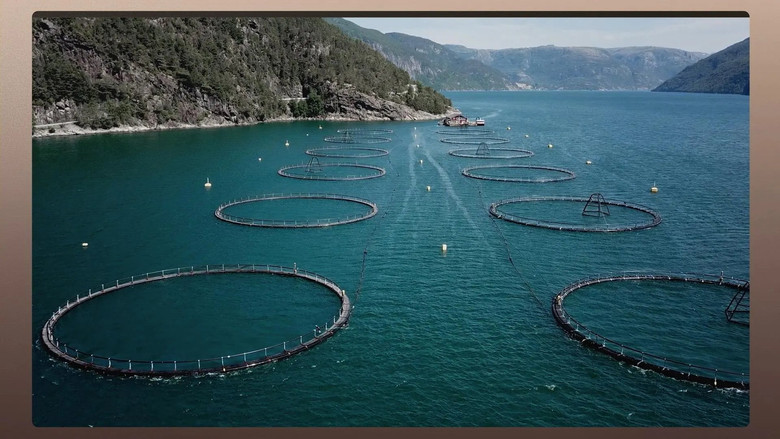
02. The Dark Underbelly of European Salmon
More than 80% of the salmon consumed in Europe comes from fish farms. Salmon farming is a speciality of northern countries, with Norway being the main producer. These farms are promoted as a sustainable alternative to wild-caught salmon, but in reality, they are fed with fishmeal and fish oil that require tonnes of other fish species to be caught, depleting the ocean's fish stocks. This overfishing occurs far away from Europe, in Mauritania.

03. The Stolen Children of Ukraine
Thanks to analysis of videos on Telegram, social media posts, and articles and statements from Russian authorities, this episode of Sources tracks how Ukrainian children were forcibly taken from their parents or orphanages. Taken to Russia under the guise of keeping them safe from the conflict, these children were supposed to be temporarily relocated. But instead they are indoctrinated, given foster families, and even offered for adoption. This action has led to charges against Vladimir Putin and Maria Lvova-Belova, the Russian Commissioner for Children's Rights, by the International Criminal Court.
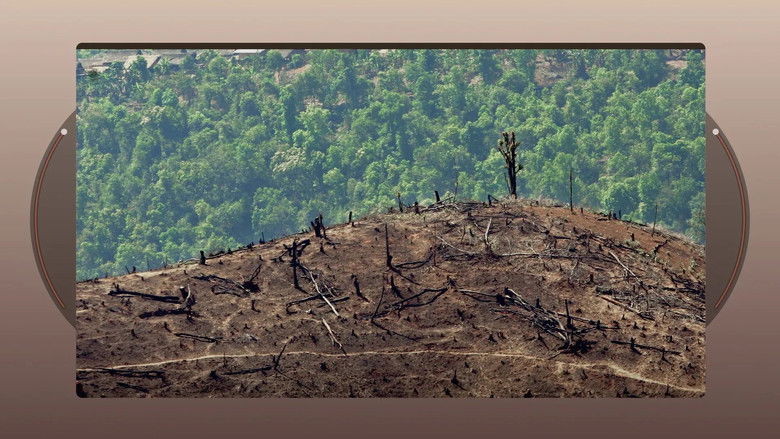
04. Traffic in Burmese Teak
It is banned in the European Union and yet Burmese teak is still imported. How is that possible? Data Sources goes on the trail of the illegal trade in teak from Myanmar.

05. Danone: Plastic Pollution in Bali
Indonesia is the second largest producer of plastic waste in the sea with the situation set to get worse. Environmental protection organisations collect and analyse plastic waste found on beaches, in mangrove forests and in rivers in order to shame the worst polluting companies.

06. China: Pro-Colonisation Influencers
The Xinjiang region in China is the historical homeland of the Uighurs, a persecuted Muslim minority. Open data reveals how Chinese influencers are convincing people from across the country to colonise this province.