
Miniseries
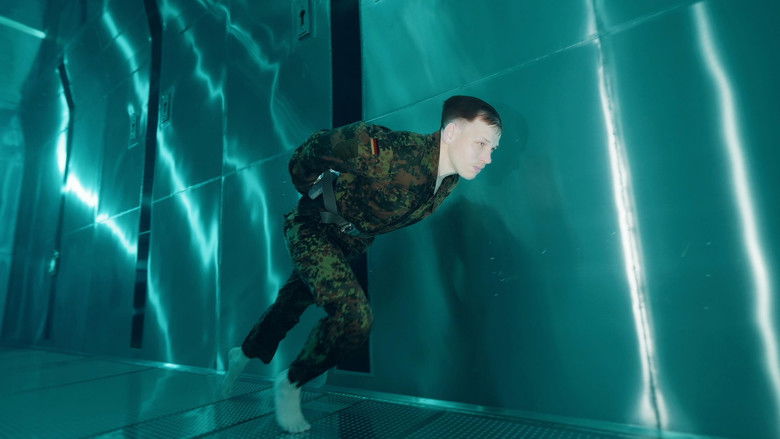
01. Holding Your Breath to the Limit
Day one reveals how brutal the training will be. In the pool, candidates are pushed through extreme apnea drills that test breath control and mental strength, often to the edge of blackout. Not everyone will pass this phase. Doubts surface early - but so does the determination to continue.
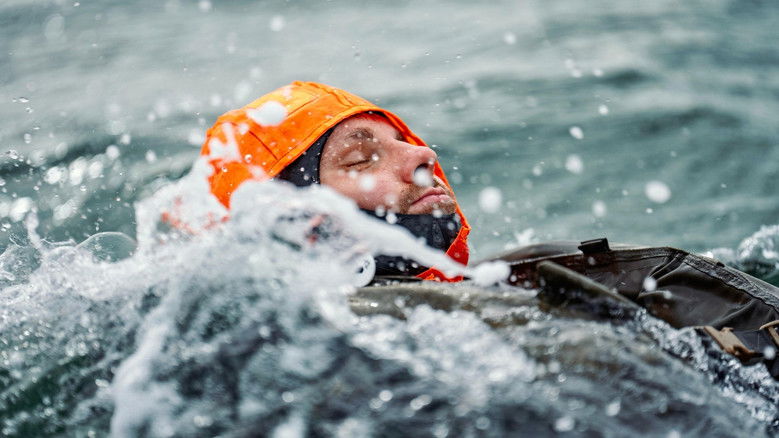
02. Baptism of Fire in the Baltic Sea
Training intensifies as candidates use closed-circuit stealth diving gear for the first time - mistakes are not an option. Exams on land add pressure, while poor visibility in open water costs some their orientation. Tower jumps prepare them for helicopter drops. The course thins out as dreams end.
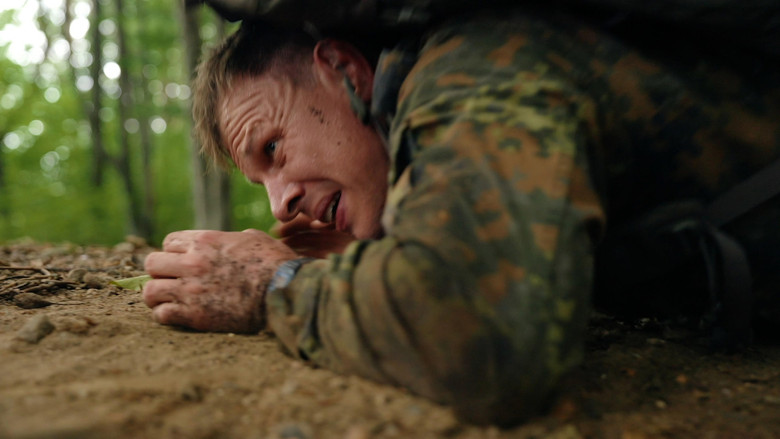
03. Forced March Through Forest and Water
Leaving the water behind, the trainees face brutal endurance tests. Carrying 20 kilos, they push through mud, icy water, and obstacles. When their bodies give up, only willpower keeps them moving. It’s the first real test ahead of the feared final march every mine diver must survive.
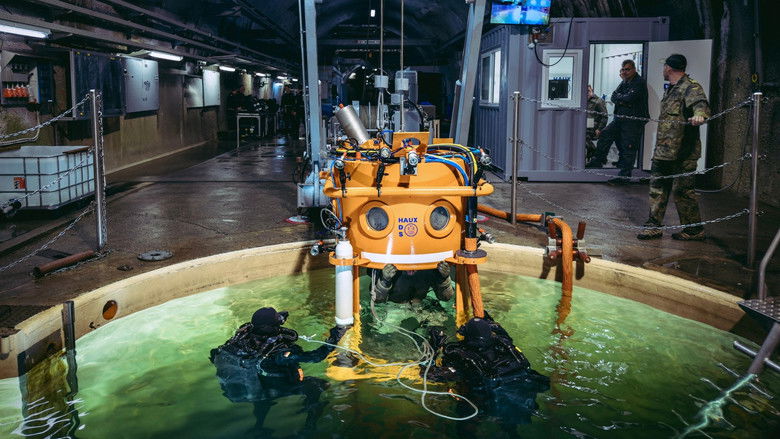
04. Test in the deep diving pot of the Bundeswehr
In a Bundeswehr deep dive pot in Bavaria, candidates must hold precise positions at depths over 30 meters. Nitrogen narcosis clouds judgment, turning the task into a mental battle. Failure earns a red dive - two mean elimination. Here, many courses have ended for good.
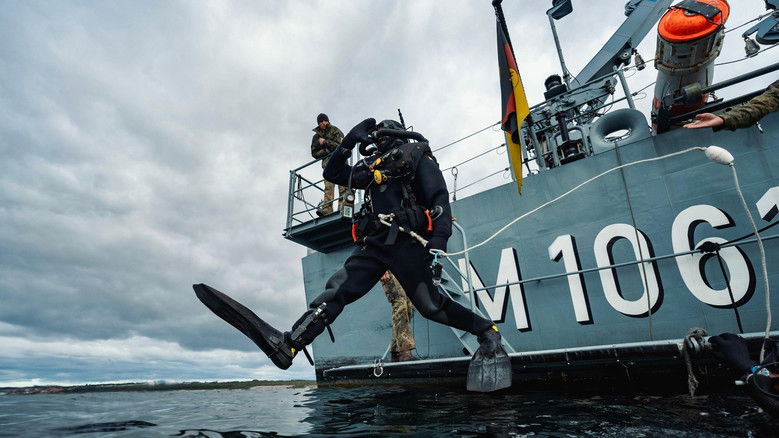
05. Constant Stress at Sea - Team testing in everyday naval life
Aboard the mine countermeasures vessel Rottweil, trainees experience real naval life: cramped quarters, rolling seas, little sleep. As a team, they must locate and recover a training mine. A Russian ship nearby highlights real-world tension. The group bonds - but doubts grow for some.
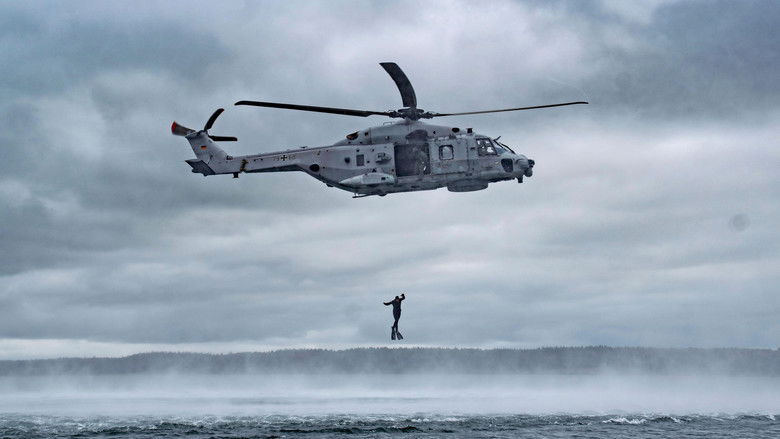
06. The Final Exam
After five months, everything comes down to the last test: a night-time loaded run and hours of sea swimming against strong currents. No injuries are allowed now. Before that, one final high-risk challenge awaits - a ten-meter jump from a helicopter into the Baltic. Hesitation can mean disaster.