01. I Have AIDS: A Teenager's Story
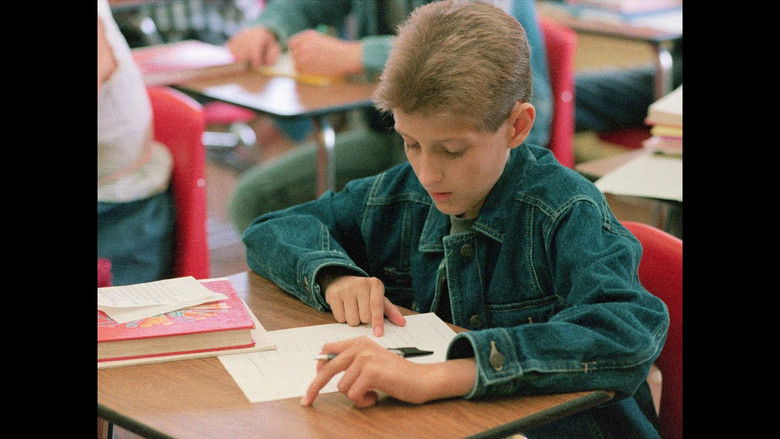
This 3‑2‑1 Contact Extra special follows the real‑life journey of a teenager living with AIDS, offering an honest and compassionate look at his daily experiences, challenges, and hopes. Through personal interviews, family conversations, and medical insight, the episode helps young viewers understand the science of HIV/AIDS while confronting the stigma and fear surrounding the disease in the late 1980s. The story emphasizes courage, education, and empathy, giving a human face to an issue that was often misunderstood.
02. The Rotten Truth
“The Rotten Truth” explores the hidden world of germs, hygiene, and disease prevention, showing how everyday habits can either spread illness or help stop it. Through real‑life demonstrations, interviews with medical experts, and on‑location reporting, the episode breaks down how bacteria and viruses grow, how contamination happens, and why simple actions—like handwashing and proper food handling—make a major difference. Designed to give teens practical, science‑based insight, the special encourages awareness, responsibility, and healthier choices in daily life.

03. You Can’t Grow Home Again
“You Can’t Grow Home Again” examines what happens when a community faces environmental damage that threatens the place families have called home for generations. Through interviews with residents, scientists, and local officials, the episode explores how pollution, land misuse, and changing ecosystems can force people to rethink their relationship with the land around them. Blending personal stories with environmental science, the special helps teens understand how human choices shape the health of their communities—and why protecting the environment is essential to preserving the places we love.

04. Down the Drain
“Down the Drain” takes viewers inside the hidden systems that carry water away from homes, streets, and cities, revealing what really happens after it disappears down the sink or storm grate. Through on‑site reporting at treatment plants, interviews with engineers, and clear scientific explanations, the episode shows how wastewater is cleaned, where it goes, and why pollution and overuse threaten these essential systems. Designed to build environmental awareness, the special helps teens understand the impact of everyday choices on water quality and the health of their communities.
05. Bottom of the Barrel
“Bottom of the Barrel” investigates the environmental and economic consequences of society’s dependence on oil. Through on‑site reporting, expert interviews, and clear scientific explanations, the episode explores how petroleum is extracted, refined, used, and ultimately wasted. It highlights the pollution and long‑term damage caused by spills, overconsumption, and improper disposal, while also examining efforts to conserve resources and develop cleaner alternatives. Aimed at helping teens understand the true cost of fossil fuels, the special encourages thoughtful choices about energy use and environmental responsibility.
06. Secrets of the Code
“Secrets of the Code” uncovers the science and history behind the ways humans send hidden messages. From ancient ciphers and secret symbols to modern encryption and digital security, the episode shows how codes are created, cracked, and used in everyday life. Through demonstrations, expert interviews, and real‑world examples, teens learn why secrecy matters, how information can be protected, and what skills codebreakers rely on. The special blends mystery with science to reveal how communication, technology, and problem‑solving come together in the world of codes.
07. A Popular Little Planet
“A Popular Little Planet” looks at Earth as a shared home whose resources and ecosystems are under increasing pressure from human activity. Through interviews with scientists, environmental advocates, and young people, the episode explores population growth, resource consumption, and the strain placed on land, water, and wildlife. Using clear explanations and real‑world examples, it helps teens understand how everyday choices connect to global challenges—and why caring for the planet requires awareness, cooperation, and responsible stewardship.
08. Get Busy: How Kids Can Save the Planet
“Get Busy: How Kids Can Save the Planet” highlights practical, achievable ways young people can make a real difference in protecting the environment. Through stories of kids already taking action—recycling programs, community cleanups, conservation projects, and everyday lifestyle changes—the episode shows how small choices add up to meaningful impact. Scientists and environmental leaders offer clear explanations of the challenges facing the planet, while teens demonstrate how creativity, teamwork, and responsibility can lead to positive change. The special empowers viewers with the message that caring for the Earth starts with simple steps anyone can take.
09. What Kids Want to Know...About Sex and Growing Up
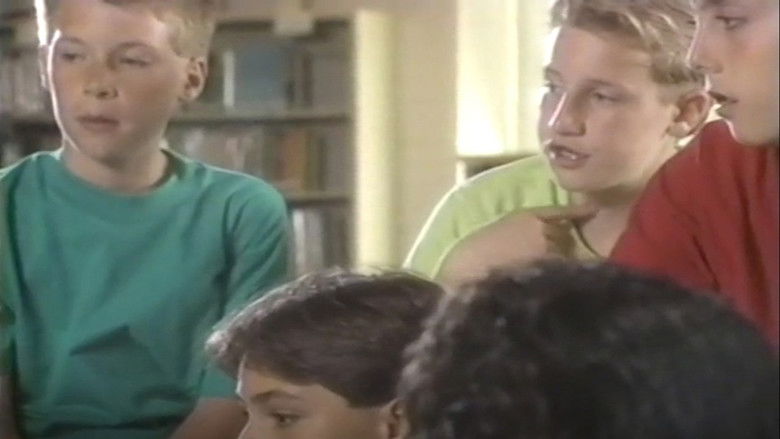
“What Kids Want to Know… About Sex and Growing Up” offers straightforward, age‑appropriate answers to the questions many teens have about puberty, sexuality, and the changes that come with adolescence. Through interviews with doctors, counselors, and young people, the episode explains the physical and emotional aspects of growing up with clarity and respect. It addresses common concerns, dispels myths, and encourages healthy communication, helping viewers understand their bodies and feelings in a responsible, science‑based way.
10. Brainstorm: The Truth About Your Brain on Drugs
“Brainstorm: The Truth About Your Brain on Drugs” explains how different drugs affect the brain and body, using clear science, real‑life stories, and expert insight to help teens understand the risks involved. The episode explores how substances interfere with memory, decision‑making, emotions, and long‑term health, breaking down complex biology in a way that’s accessible and engaging. Through interviews with doctors, counselors, and young people, the special encourages informed choices and highlights the importance of protecting the brain during its critical stages of development.