
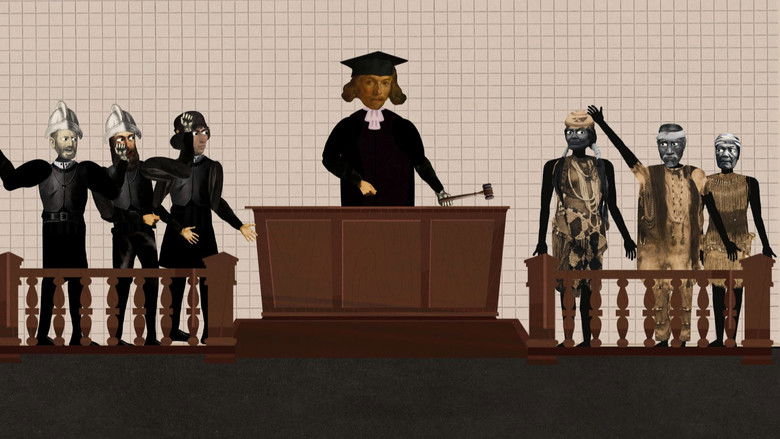
01. ...The principle of "an eye for an eye" used to apply?
No details

02. ...Raw materials really make countries richer?
No details
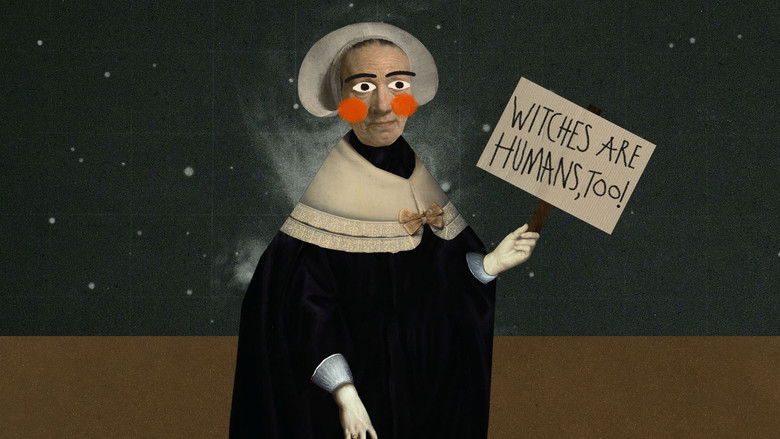
03. ...Witch hunts began as early as the Middle Ages?
No details
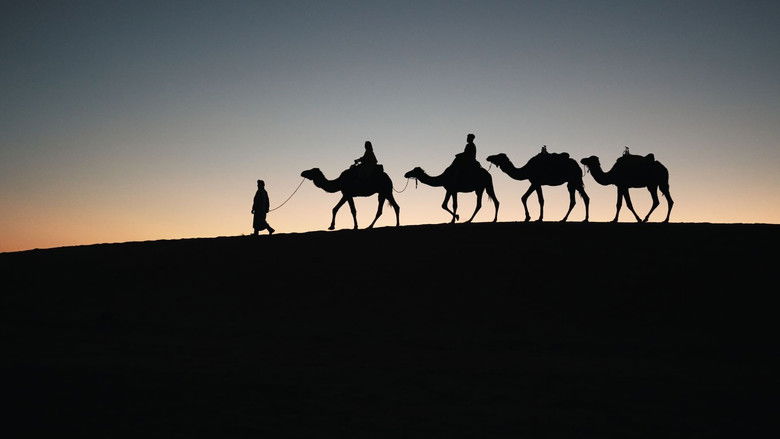
04. ...Only silk was transported on the Silk Road?
No details

05. ...The Past Was Less Violent?
Destruction, terror, war: It seems that there has never been more violence than in the world today. But what can we learn from history? Was there really less violence in the past?
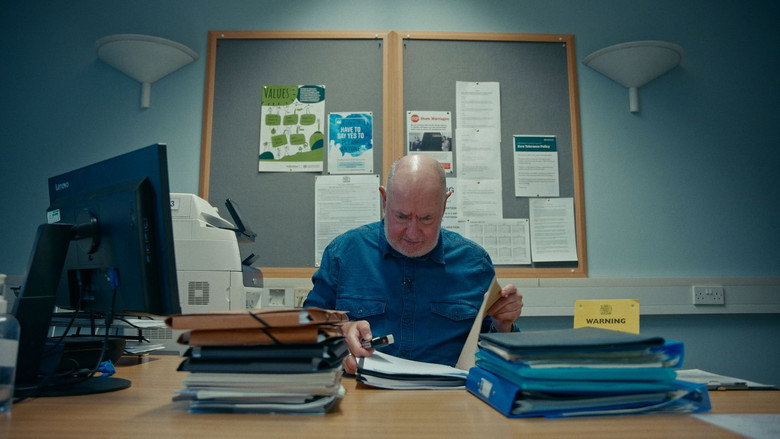
06. ...There was less paperwork in the past?
No details
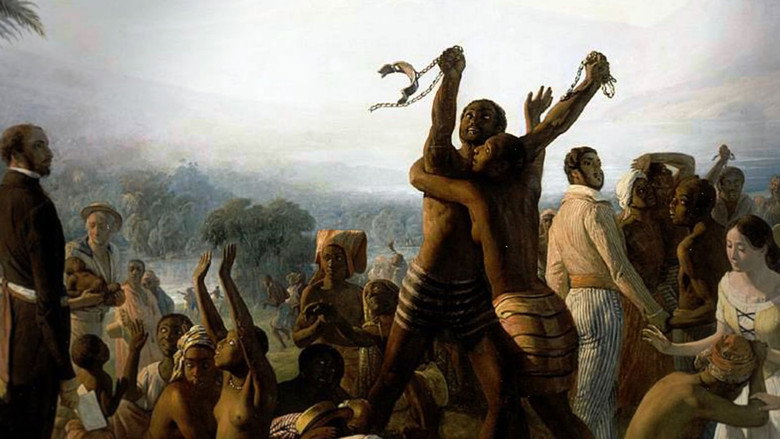
07. ...Slavery was abolished for moral reasons?
No details
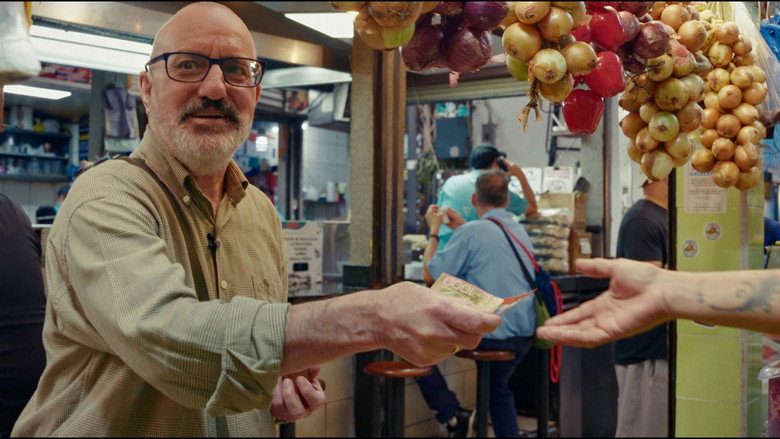
08. ...Global trade does make us richer?
No details
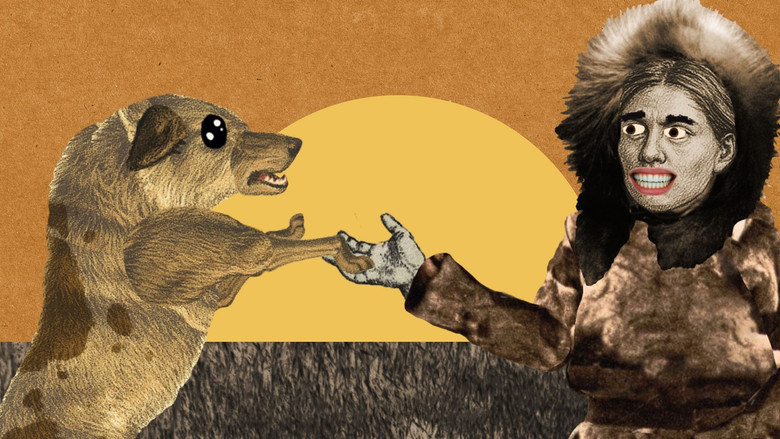
09. ...The dog has always been man's best friend?
No details
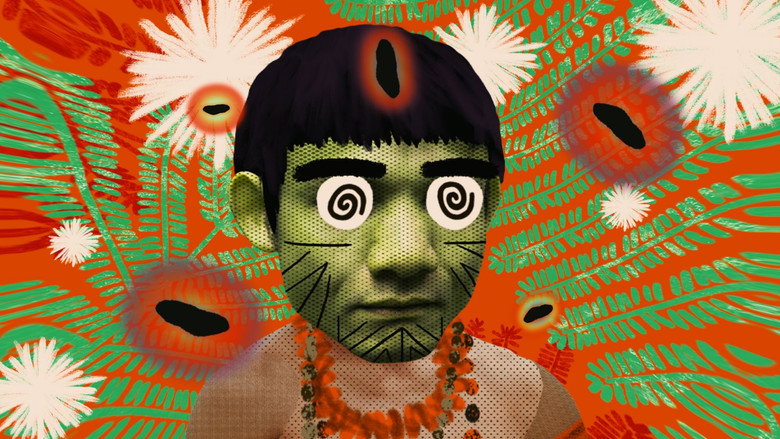
10. ...that humans have always experienced intoxication?
Is drug-induced intoxication a new phenomenon – emerging in a pleasure-seeking society that knows no bounds? Discoveries of drug artifacts thousands of years old raise doubts. Intoxication seems to have been used in many cultures for spiritual insights and social rituals. Why, then, are most drugs illegal today?
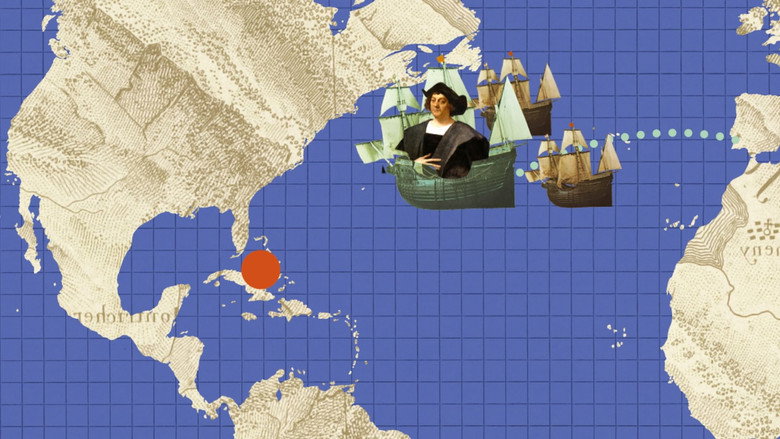
11. ...that Columbus was the first to cross an ocean?
To this day, Columbus is considered the first person to have crossed an ocean. But archaeology, genetics, and indigenous knowledge systems tell a different story: Polynesians, Vikings, and even early humans reached distant continents long before him. Why do we remember Columbus—and not them?

12. ...that dirndls and lederhosen are quintessentially Bavarian?
Traditions seem ancient—but many are invented, politically dictated, or shaped by modern tourism. This documentary traces the origins of traditions from Bavaria through France to Georgia, showing how customs create identity, secure power, or foster community. And it asks: If traditions are invented, why don't we simply create new ones ourselves?
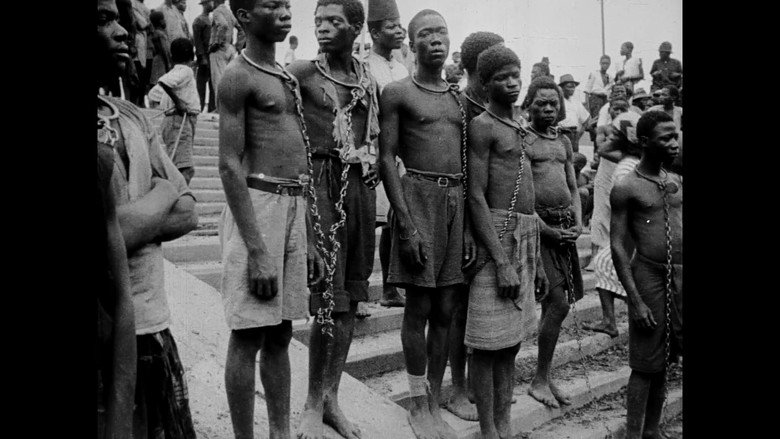
13. ...that all African countries were European colonies?
Africa is often considered a continent entirely colonized by Europeans – although large parts of it remained independent until the 19th century. So what was it really like? This documentary tells the story of Leopold II's reign of terror in the Congo, of African-American colonizers in Liberia, and of the Ethiopian victory at Adwa. It shows just how multifaceted Africa's history truly was.
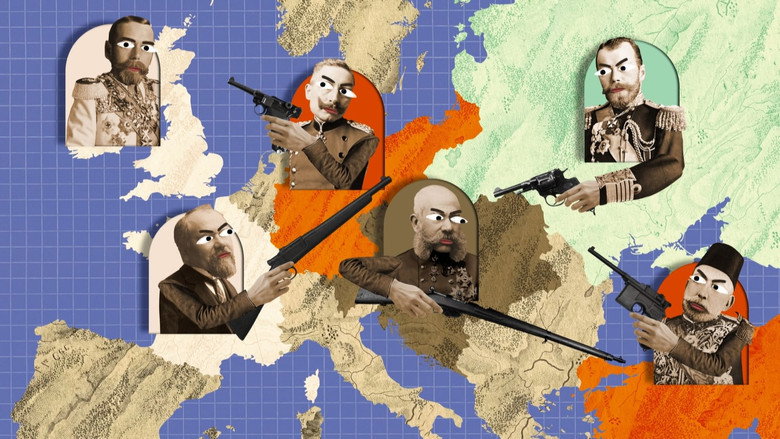
14. ...that there is no progress without war?
GPS, space travel, industrial fertilizer production: they all arose under military pressure. Wars accelerate decisions, pool resources, and drive innovation. But they also destroy knowledge, societies, and lives. Is it possible, then, to achieve progress without extreme violence?

15. ...that the modern age began with the printing press?
The myth sounds seductive: Johannes Gutenberg invents printing – and suddenly the Reformation, the scientific revolution, and the Enlightenment begin. A single machine is said to have triggered an entire era. But historical reality is far more complex. From Chinese prototypes to conservative early printing presses, to Luther and global knowledge networks, it was the interplay of many forces that gave the printed word its historical power.
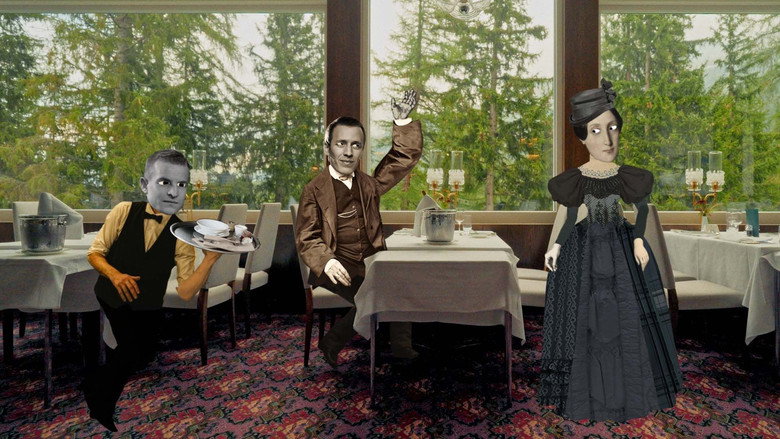
16. ...that tourism was invented thanks to the railway?
Did tourism originate with the railway? Pilgrimages were important precursors – but it was romantic notions of nature and the expansion of infrastructure that created the necessary conditions. Politics and media staging ultimately shaped mass travel as we know it: tourism arises when longing finds structure.
17. Episode 17
No details