

01. Choice
Kids at a local tennis club face a series of everyday decisions that reveal the meaning of opportunity cost. Whether choosing between a ball game and an amusement park, food or rides, or how to use limited film and money, each character learns that picking one option always means giving up another. The episode uses simple, relatable moments to show how time, tickets, and resources shape the choices we make.
02. Malcolm Decides
Malcolm is thrilled to win “Paper Carrier of the Month,” but his $15 gift certificate quickly leads to a tough decision. With several appealing options and only one chance to choose, he works through five steps of decision‑making—defining the problem, listing alternatives, setting criteria, evaluating options, and making a final choice. The episode shows how careful thinking helps Malcolm pick what’s truly right for him.
03. We Decide
When a school discovers it doesn’t have enough bike‑rack spaces for all the students who ride to class, one group must figure out a fair way to assign the limited spots. As they debate alternatives—first‑come‑first‑served, taking turns, a lottery, longest use, or giving priority to those who live farthest away—they learn how to list options, set criteria, and evaluate trade‑offs. The episode shows how a class uses the five‑step decision‑making model to reach a solution everyone can vote on.
04. Give and Take
Two brothers discover that not every decision has to be all‑or‑nothing as they negotiate how to use a limited supply of lumber for both a treehouse and their go‑kart track. At the same time, their father faces his own compromise between helping his sons and watching a big game. The episode expands the idea of trade‑offs, showing how people can give up some of one thing to gain some of another, whether in family decisions or in a town council debate over police protection, road repairs, and clinic funding.
05. Less and More
When a family‑run restaurant faces rising costs and long work hours, the owner’s son steps in with new ideas to boost productivity. By introducing changes like a salad bar, delivery rules, and more efficient cooking methods, he shows how using fewer inputs can produce the same—or even greater—output. But increased productivity also brings trade‑offs, as some workers benefit while others lose hours or even their jobs. The episode explores who gains, who loses, and how efficiency reshapes a small business.
06. Working Together
When three friends team up to wash their fathers’ taxis, they discover that dividing the work into specialized tasks dramatically boosts their speed and earnings. But as their small operation grows—and even expands into a service‑station assembly line—they learn that specialization brings new challenges, from unfair workloads to breakdowns when one person or tool is missing. The episode explores how working together can increase productivity, and why every system has trade‑offs.
07. Does It Pay
Bobby dreams of buying his first car, but his slow lawn‑mowing business forces him to confront a tough choice: keep saving or invest in a power mower to boost productivity. As he weighs risks, costs, and opportunity loss—“with the hand mower Bobby and Oscar could do four lawns a week… with a power mower they could do ten”—he learns how capital goods can speed up earnings but require real sacrifice. The episode explores the economic trade‑offs behind investing, borrowing, and giving up something now to gain more later.
08. Learning and Earning
Judy and Andrea weigh the costs and benefits of taking an eight‑week training course that could qualify them for higher‑paying summer jobs as junior playground supervisors. As they invest time, money, and effort, both girls confront the uncertainty of whether their sacrifice will pay off. When the results arrive, their choices lead to very different outcomes, highlighting the real‑world trade‑offs involved in pursuing new skills.
09. Why Money
In this episode, the series explores why money exists and how it helps people make everyday choices. Through simple examples and real‑world scenarios, viewers learn how money solves problems of trade, value, and fairness. The episode breaks down complex ideas into clear, relatable moments that show why money became an essential tool in modern life.
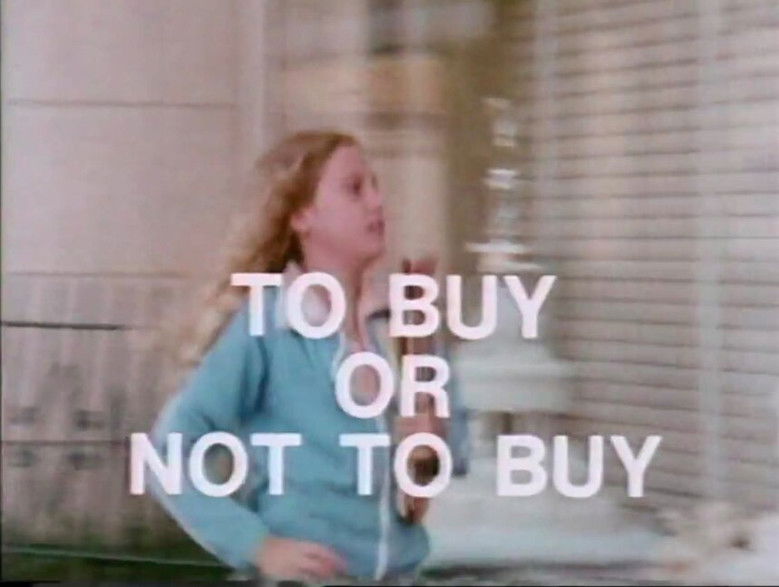
10. To Buy or Not to Buy
Sharon and her friends attempt to raise money for a school trip by selling danishes door‑to‑door, discovering firsthand how price affects consumer demand. As they adjust their prices, expand their sales team, and experiment with advertising, they learn why people buy more at lower prices and less at higher ones. Their efforts reveal how income, tastes, substitutes, and marketing can shift an entire demand curve. The episode uses their real‑world challenges to illustrate core economic concepts in a relatable way.
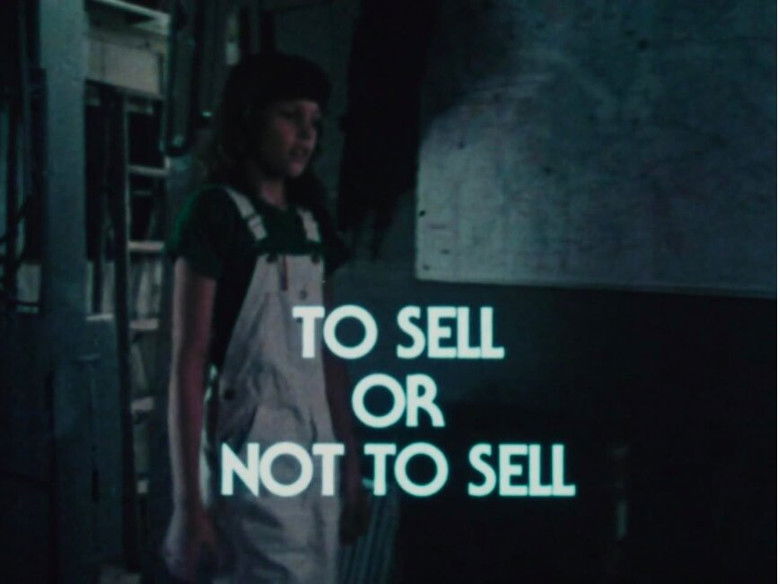
11. To Sell or Not to Sell
Kathy discovers the real costs behind making handmade serving trays and must decide whether selling them is worth her time. As prices, wages, and opportunity costs shift, she learns how producers respond to changing incentives. The episode illustrates how supply decisions rise or fall as costs and alternatives change.
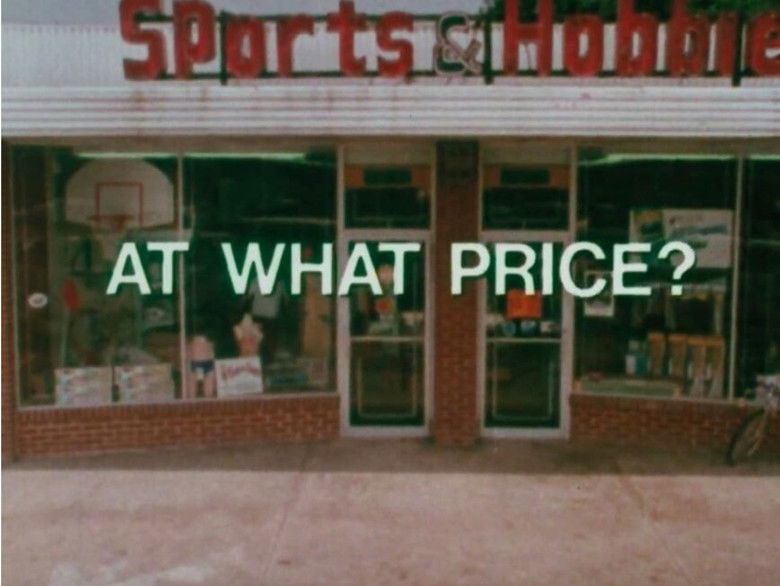
12. At What Price?
A sporting‑goods store’s overstocked bats and a pool’s overpriced drinks show how markets react when prices are too high or too low. Through shortages, surpluses, and price adjustments, kids learn how supply and demand work together to find the market‑clearing price.
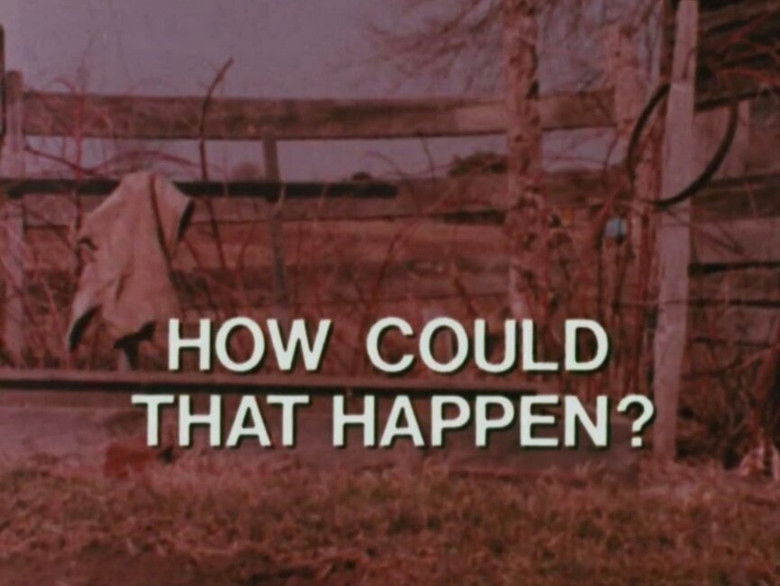
13. How Could That Happen?
When a young musician becomes a sudden sensation, rising demand for his records sets off surprising ripple effects across the economy. From popcorn to raincoats, motorcycles to football helmets, the episode shows how interconnected markets respond to changes in supply, demand, and production costs. A playful look at the “invisible hand” in action.
14. Innocent Bystanders
A neighborhood conflict erupts when Jerry’s rock band lands a steady gig and must practice at home, disrupting his sister’s plans and a neighbor’s weekly chamber‑music recital. As frustrations rise, each person argues for their own idea of fairness, leading to a lively exploration of trade‑offs, rights, and competing interests. The episode highlights how everyday conflicts create “innocent bystanders” and why choosing a solution depends on the values people prioritize.
15. Helping Out
When a young girl is bitten by a stray dog, the town scrambles to determine whether the animal was vaccinated for rabies. As the search unfolds, the community confronts the broader consequences of individual choices and the hidden ways people affect one another. The incident sparks a debate over responsibility, public safety, and how best to ensure all dogs are vaccinated. Through one family’s scare, the episode explores trade‑offs between personal freedom, cost, and community well‑being.